Enhancing Web Design with Ballon: A Handwritten Font
As a web designer, I recently embarked on a project to revamp the homepage of a boutique online store. The goal was to create a more inviting and elegant user experience, and one of the key elements in achieving this was selecting the right font. After some exploration, I stumbled upon Ballon, a dainty and sweet handwritten font that instantly caught my eye.
Introducing Ballon: A Delicate Script Font
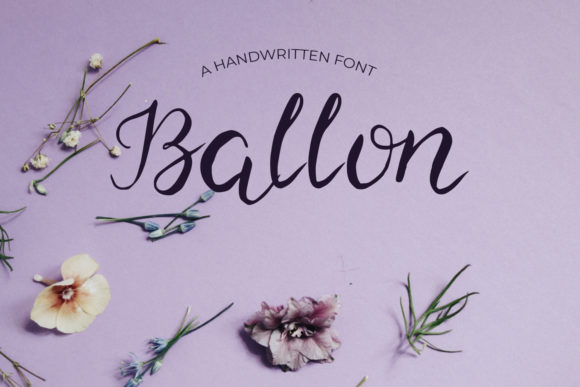
Ballon is a premium script font that exudes elegance and charm. Its delicate swashes and flowing lines make it perfect for adding a touch of sophistication to any digital design. This typeface is not just visually appealing; it also has a unique personality that can set the tone for a brand's visual identity.
Visual Characteristics and Style
The most striking feature of Ballon is its graceful and refined appearance. The font's thin, cursive style and subtle flourishes give it a handcrafted, almost vintage feel. This makes it ideal for creating a warm and personal connection with the audience, which is particularly useful for brands that want to convey a sense of authenticity and craftsmanship.
Using Ballon in Website Headers and Hero Sections
One of the first places I tested Ballon was in the hero section of the boutique's homepage. The font's elegant swashes and delicate curves made the welcome message stand out beautifully. It created an immediate visual impact, drawing the user's attention and setting the tone for the rest of the site.
- Hero Titles: Ballon works exceptionally well for large, bold titles. Its decorative nature makes it a great choice for creating a memorable first impression.
- Section Headings: For smaller headings, Ballon can still be used, but it's important to balance it with a more legible sans serif or serif font for body text to ensure readability.
- Call-to-Action Areas: While Ballon is not the best choice for buttons due to its intricate design, it can be used creatively in CTA sections to add a touch of elegance and draw attention to the main message.
Readability and Visual Hierarchy
When using Ballon, it's crucial to consider readability, especially on mobile screens. The font's delicate lines can become less legible at smaller sizes, so it's best to use it for larger, more prominent text. For instance, I used Ballon for the main heading and paired it with a clean, sans serif font like Roboto for the body text. This combination maintained a clear visual hierarchy and ensured that the content was easy to read and scan.
Font Pairing and Brand Consistency
To create a cohesive and professional look, I paired Ballon with a simple and modern sans serif font. This combination worked well for the boutique's brand, as it balanced the elegance of Ballon with the clarity and simplicity of the sans serif. This approach helped in maintaining a consistent and polished brand identity across the website.
Practical Examples and Real-World Use Cases
Besides the boutique's homepage, Ballon can be used in various other contexts:
- Creative Portfolio: For a portfolio site, Ballon can add a personal and artistic touch, making the work stand out and feel more intimate.
- Coaching Website: In a coaching or consulting website, Ballon can help establish a friendly and approachable brand, making the coach seem more relatable and trustworthy.
- Product Landing Page: For a product landing page, Ballon can be used in the headline and subheadings to create a high-end and luxurious feel, enhancing the perceived value of the product.
- Blog Header: In a blog, Ballon can be used for the main title and category headings to add a creative and engaging element, making the blog posts more visually appealing.
Technical Considerations and Best Practices
Before incorporating Ballon into your web design, it's essential to check a few technical aspects:
- Included Styles and Webfont Availability: Ensure that the font comes with the necessary styles (e.g., regular, bold) and that a webfont version is available for use on websites.
- File Formats and Alternates: Verify that the font includes multiple file formats (e.g., OTF, TTF, WOFF) and that there are alternates and ligatures available to add more variety and customization.
- Weights and Multilingual Support: Check if the font supports different weights and if it includes multilingual characters, which is crucial for international websites.
- Commercial Licensing: Make sure to review the licensing terms to ensure that you have the right to use the font commercially, especially for client projects and online stores.
By carefully considering these factors, you can effectively integrate Ballon into your web designs, creating a more polished and engaging brand experience. Whether you're designing a boutique online store, a coaching website, or a creative portfolio, Ballon can be a valuable addition to your design toolkit, adding a touch of elegance and personality to your projects.